

The U.S. economy has demonstrated resilience amid various challenges, with recent data indicating a steady growth trajectory. In the second quarter of 2026, the economy expanded at an annualized rate of 1.5%, slightly below economists’ expectations of 1.8%. This growth occurred despite geopolitical tensions and rising energy prices.
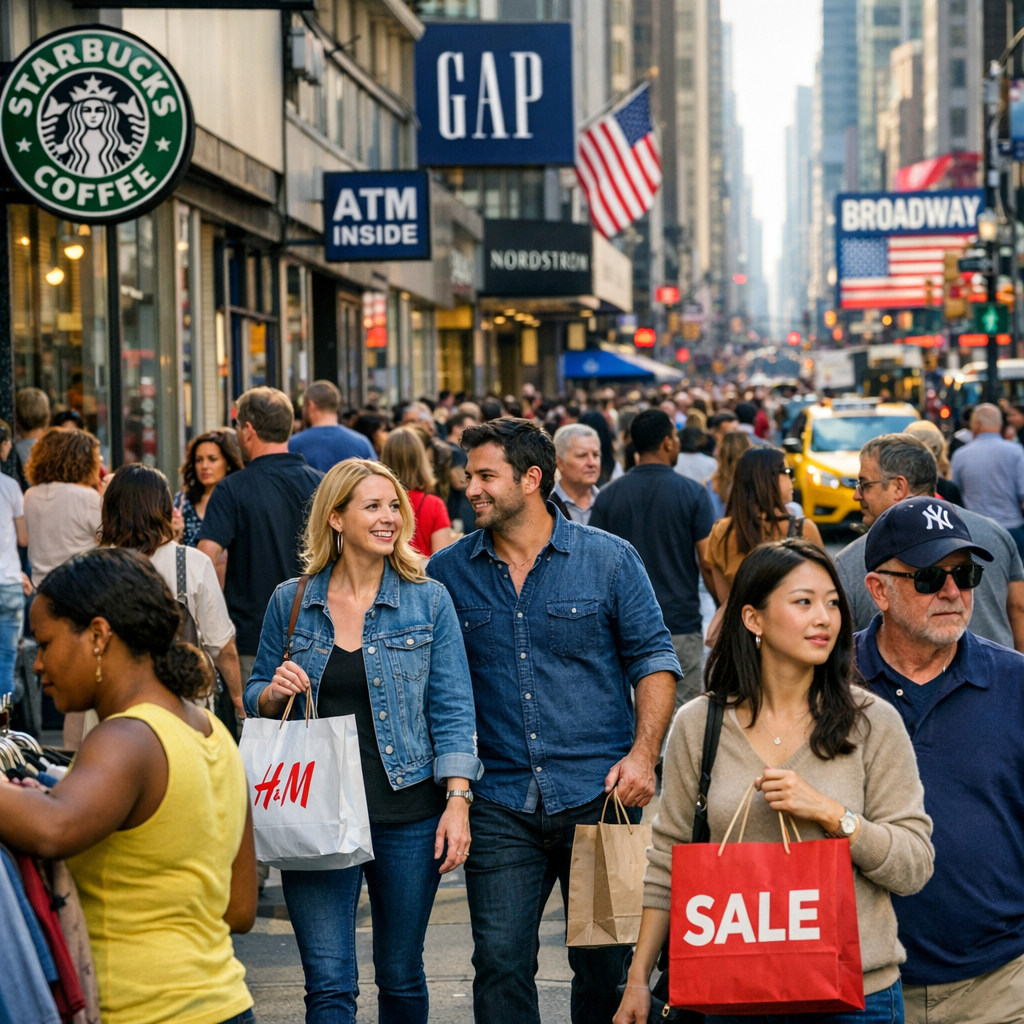
Consumer spending, a significant component of GDP, accelerated to a 3.2% annualized pace, up from 0.5% in the previous quarter. This uptick underscores the confidence and spending power of American households. Additionally, business investments, particularly in artificial intelligence (AI), have been pivotal. Federal Reserve Chairman Kevin Warsh highlighted the economy’s resilience and strong business investment, especially in AI-related sectors.
However, certain sectors have faced headwinds. Nonresidential construction declined for the tenth consecutive quarter, and nondefense federal spending continued its downward trend. Despite these challenges, the overall economic outlook remains positive, with forecasts suggesting steady growth into 2027, aligned with long-term productivity and labor force trends.
For residents of Shoreview, Minnesota, these national economic trends can have local implications. The surge in AI-driven investments may present new employment opportunities in tech-related fields, while the rise in consumer spending reflects broader economic confidence that can benefit local businesses.